Supply Chain Analysis: When Risks Hide in the Links
In a world where sanctions and regulations intertwine with logistics, supply chain transparency has become a matter of business survival.
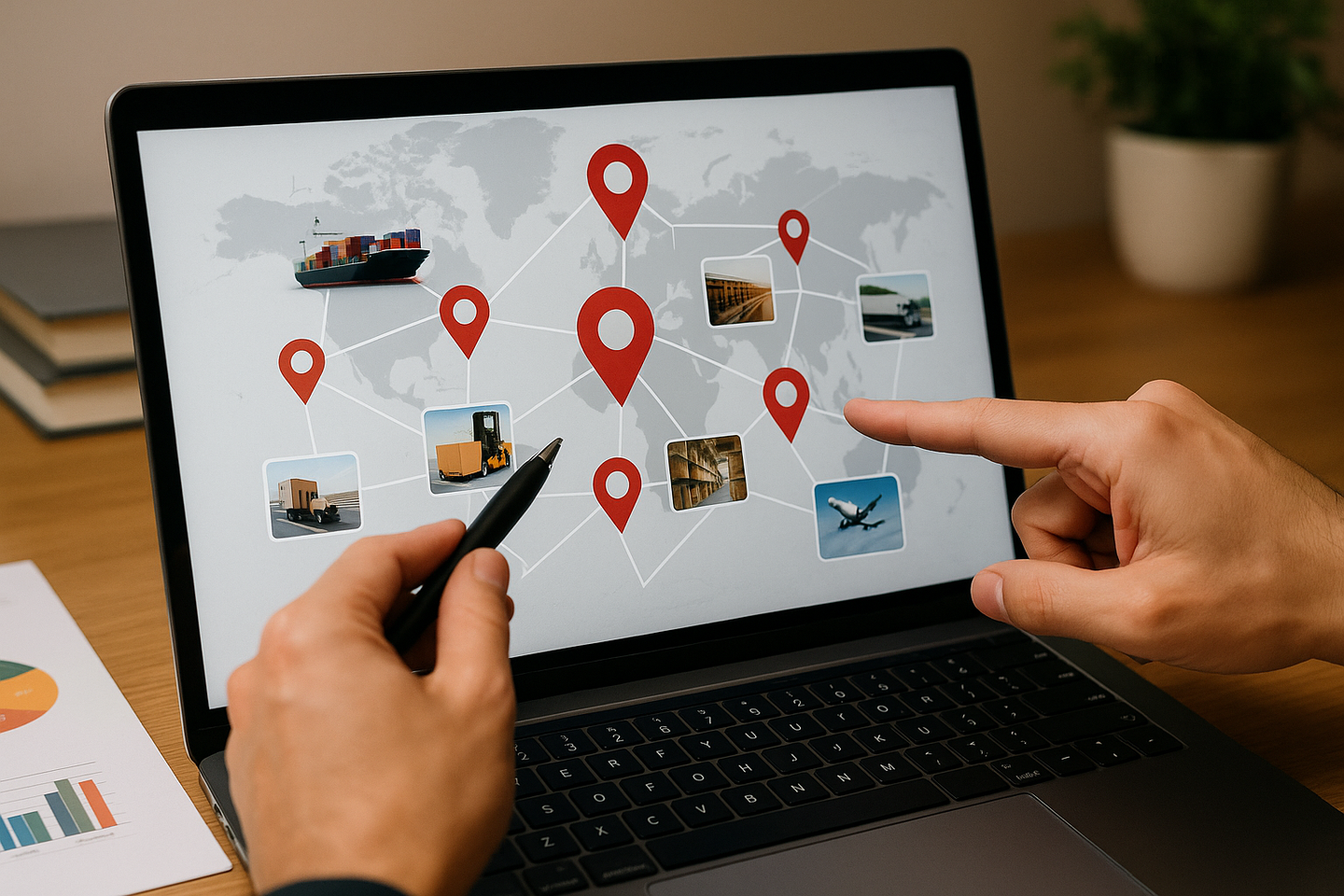
What Is Supply Chain Analysis
Every supply chain is a network of companies through which goods move — from raw material extraction to the finished product on a store shelf. Supply chain analysis is the study of this network to understand who, where, and how participates in the process. It’s not just a matter of logistics — it’s a tool for managing risk, compliance, and reputation.
When a company buys products from a supplier, it often sees only the tip of the iceberg. Behind it may lie:
- subcontractors in countries with high corruption levels;
- undocumented migrant labor;
- sanction evasion or re-export of restricted technologies.
Why Supply Chain Analysis Matters
Supply chain analysis allows companies to:
- Assess sanction risks — avoiding secondary exposure through hidden intermediaries;
- Identify vulnerabilities — understanding which links could “break” first;
- Increase business resilience — building a transparent supply map for investors and auditors.
Example: Microchips Moving Through Third Countries
After 2022, Western companies began actively verifying where their microchips were actually ending up. Investigations showed that many components banned for export to Russia were reaching it through intermediaries in the UAE, Turkey, and Kazakhstan.
Companies conducting such investigations and using OSINT methods (customs declarations, company registries, ownership data) can reconstruct the transit chain and reveal where export control laws are being violated.
Case:
A European electronics manufacturer suspected that its products were being resold to sanctioned countries. The analysis revealed that goods were routed through a Dubai intermediary to Armenia, and from there — to Russia. As a result, the client revised its partner agreements and avoided the risk of being added to sanctions lists.
OSINT Tools in Supply Chain Analysis
TriTrace relies on open-source intelligence, including:
- international trade databases (ImportGenius, Panjiva, UN Comtrade);
- vessel and air cargo trackers;
- leaks and corporate data repositories;
- ownership maps and intercompany links.
This approach allows analysts not just to visualize the chain, but to document connections with verifiable evidence. Such findings can justify terminating a partnership with a counterparty — and, in some cases, serve as grounds for a pretrial compliance review.


