Traces on the Water: How OSINT Methods Can Track Shadow Supply Chains
In an era of tightening sanctions and global supply-chain oversight, OSINT has become key to identifying hidden suppliers and shadow routes.
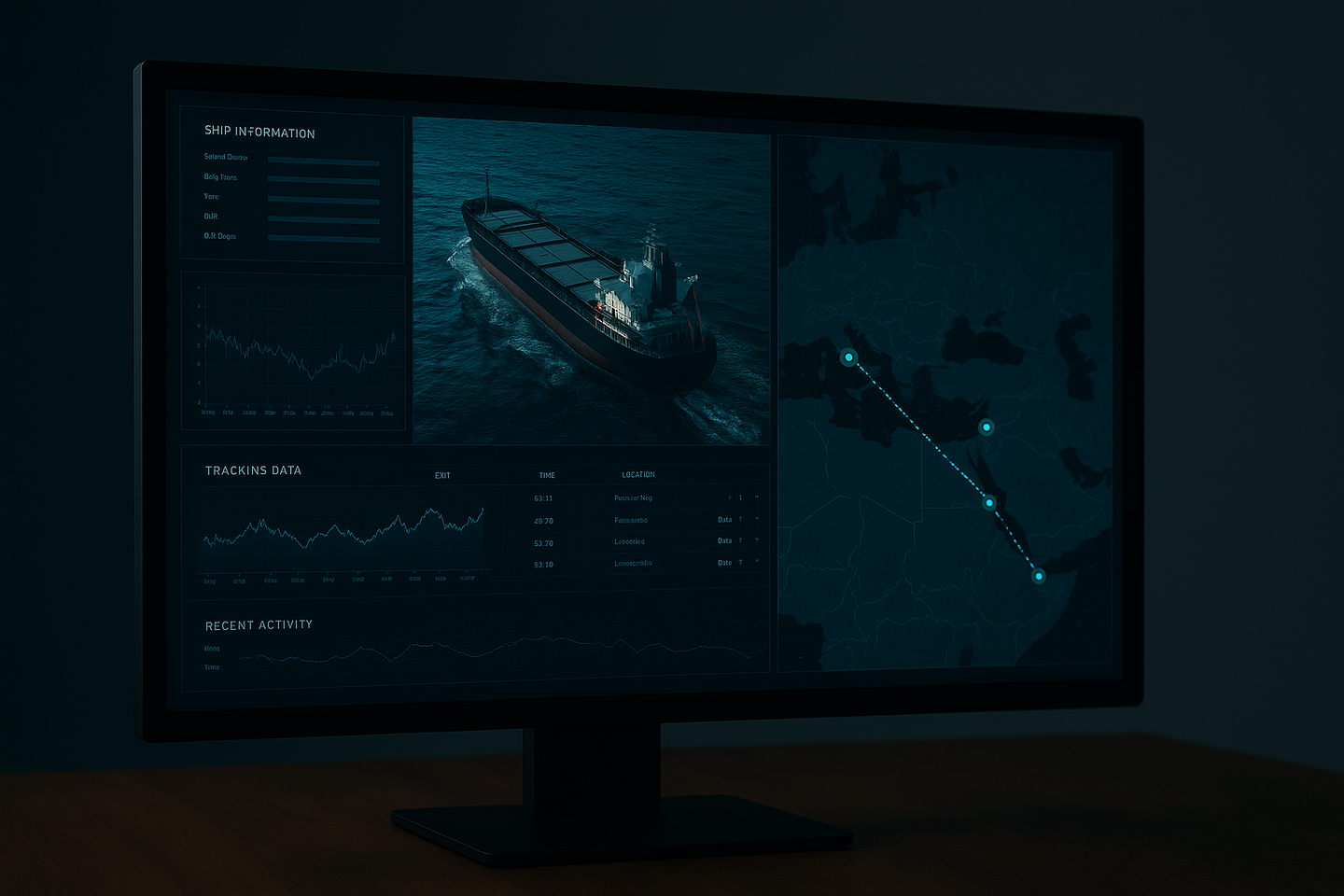
In an era of tightening sanctions and global supply-chain oversight, OSINT has become key to identifying hidden suppliers.
What Is a Sanctions-Focused Supply-Chain Audit
A supply-chain audit is a full analysis of every link a product or raw material passes through—from the manufacturer to the end customer. When a country or company is under sanctions, it’s critical to ensure there are no hidden intermediaries, offshore entities, or dark transport routes. OSINT tools, satellite imagery, AIS data, and commercial and government registries make it possible to uncover who is working with whom and through which ports.
Tools and Data Sources
Field Examples
- Dark Transfers & AIS Blackouts Investigations (e.g., Sanctions at Sea: AIS Manipulation) document ships deliberately disabling AIS to hide routes after leaving port—especially for sanctioned oil shipments. One “shadow fleet” vessel performed ship-to-ship transfers while invisible to monitoring, then reappeared under a new name and owner.
- The Russian Shadow Fleet By 2025, hundreds of aging tankers with opaque insurance and “flags of convenience” transport Russian oil around sanctions. For example, the tanker Eagle S was detained in Finland after analysts noticed repeated AIS gaps and deviations from normal trade lanes.
- Stricter Tanker Sanctions In late 2024–early 2025, OFAC sanctioned dozens of ships and owners involved in deceptive shipments—manipulating data, flags, and ownership. OSINT enabled tracking of port calls, AIS anomalies, and offshore corporate links.
Step-by-Step Audit Guide
- List Key Partners & Routes – Identify all companies, carriers, and sensitive links (transport, ports, storage).
- Check Sanctions Lists – Verify partners and their owners against OFAC, EU, UK and other databases.
- Collect AIS & Port Data – Track ship movements, STS transfers, flag changes, AIS outages; compare with declared routes.
- Correlate with Satellite Images – Match AIS gaps to visual proof of vessel locations.
- Investigate Ownership – Review ship-owner records, insurance documents, and flag changes.
- Analyze Documentation & Finance – Examine insurance policies, shipping contracts, and payment flows.
- Compile a Legal Report – Present evidence (imagery, route tables, AIS-gap visuals, ownership links) in a format suitable for regulators or court.
Practical Tips
- Compare AIS metadata with vessel history—frequent flag, name, or IMO changes signal evasion.
- Use SAR radar imagery to “see” metal hulls through clouds or at night.
- Apply anomaly-detection algorithms to massive AIS datasets to spot unnatural signal gaps.
- Cross-reference AIS with independent satellite imagery and port records.
- Track flag changes and shell-company registrations, especially where insurance is missing or unverifiable.
Why It Matters for Business
Any company contracting for raw materials, fuel, or seaborne goods faces not just logistics issues but reputational, legal, and financial risk. A single supplier linked to sanctions evasion can lead to multi-million-dollar fines, asset freezes, and loss of customer trust. Rigorous supply-chain audits protect the business from hidden “black zones.”
Outlook
With expanding global sanctions, improved satellite monitoring, and AI-driven route/finance analysis, supply-chain audits are becoming essential strategy. Firms that openly verify partners and routes gain a competitive edge built on proven data and trust.


